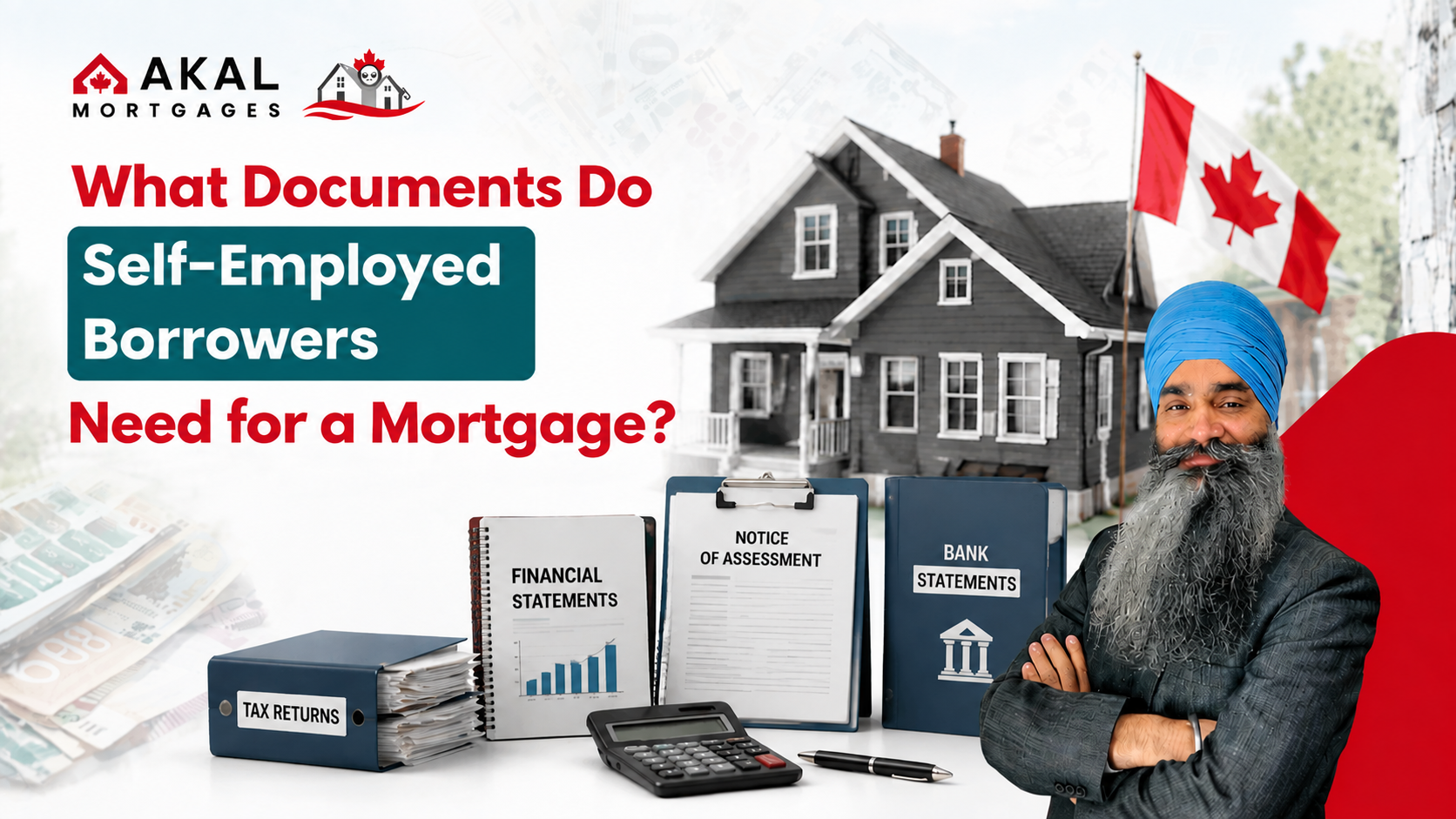

Getting a mortgage as a self-employed borrower can require more documentation than applying with a traditional employment arrangement. When you own a business, work as an independent contractor, or earn income through a professional practice, your income may not appear as a simple regular salary. Lenders often need additional information to understand how your income is earned and whether it is consistent enough to support mortgage payments.
This does not mean self-employed Canadians cannot qualify for competitive mortgage financing. It simply means that preparation matters. Having the right documents ready can make it easier for a lender to assess your application and can help prevent unnecessary delays.
Why Do Self-Employed Borrowers Need More Documents?
For an employee, income can often be confirmed through recent pay statements and an employment letter. Self-employed income can be more complex because earnings may vary, business expenses can reduce taxable income, and money may move between personal and business accounts.
Lenders therefore look at several pieces of information to understand your overall financial position. They may review your income history, tax records, business activity, existing debts, assets, and banking history before making a lending decision.
The additional documentation helps provide a clearer picture of your financial situation. It also allows the lender to determine how much income can reasonably be used when calculating your mortgage affordability.
What Documents Are Needed for a Self-Employed Mortgage?
Personal Identification and Financial Information
You will generally need government-issued identification and basic personal information when starting a mortgage application. The lender may also request details about your current residence, existing mortgage, other debts, assets, and financial obligations.
Providing accurate information from the beginning can make the application process more efficient. It also gives your mortgage professional a complete picture of your circumstances when reviewing potential financing options.
Notices of Assessment
Notices of Assessment issued by the Canada Revenue Agency are commonly requested from self-employed mortgage applicants. These documents show the income you reported to the tax authority and whether there are outstanding balances.
Lenders may review Notices of Assessment from recent tax years to identify income patterns and determine whether your earnings have remained reasonably stable. Keeping your tax filings current is therefore an important part of preparing for a mortgage application.
Personal Tax Returns
Recent personal income tax returns may also be requested, particularly when the lender needs additional information about your self-employment income. Tax returns can help explain the income shown on your Notices of Assessment and provide a broader view of your financial history.
If you have multiple sources of income, these records can also help demonstrate how your overall earnings are generated.
Business Registration Documents
Proof of business ownership can be important for self-employed borrowers. Depending on your business structure, this could include business registration documents, incorporation documents, partnership agreements, or other records confirming your ownership.
The lender may also want to know how long you have been operating the business. A longer and stable business history can provide useful context when assessing your application.
Business Financial Statements
Some self-employed borrowers may be asked to provide business financial statements. These can show revenue, expenses, and profitability over a particular period.
Financial statements can be particularly relevant for incorporated business owners because personal taxable income may not reflect all of the money generated by the company. The lender may need additional business information to understand the company’s financial performance.
Personal and Business Bank Statements
Bank statements can help verify income deposits, savings, cash flow, and the management of financial obligations. A lender may request recent statements from personal accounts, business accounts, or both.
It is helpful to keep business and personal finances clearly organized. Consistent records make it easier to explain deposits and transfers if questions arise during the mortgage review.
What Documents Are Needed to Prove the Down Payment?
You will need to demonstrate that you have the funds required for your down payment and closing costs. Depending on the source of the money, this could involve savings account statements, investment account statements, or other financial records.
If you are receiving a gifted down payment from an eligible family member, the lender may request a gift letter and evidence showing the transfer of funds. Money obtained from the sale of another property may require documents related to the sale.
The source of the funds matters because lenders need to confirm that the down payment is legitimate and available for the transaction.
Can Contractors and Freelancers Qualify for a Mortgage?
Yes, contractors and freelancers can qualify for mortgage financing. Their applications may require documents that demonstrate the nature and stability of their income.
Depending on the circumstances, this could include tax records, business registration documents, invoices, contracts, bank statements, or other evidence of ongoing work. The specific requirements vary according to the lender, the type of income, and the borrower’s overall financial profile.
What If Your Taxable Income Is Lower Than Your Actual Business Income?
Self-employed individuals often claim legitimate business expenses that reduce their taxable income. While these deductions can be beneficial for tax purposes, they can sometimes make qualifying for a mortgage more complicated because the income shown on tax documents may appear lower.
Some lenders may have different approaches for assessing self-employed income, depending on their lending policies. They may consider additional business information when determining the income that can be used for mortgage qualification.
This is one reason it can be valuable to work with a mortgage professional who regularly handles self-employed applications. They can help you understand how your income may be assessed before you submit an application.
How Can Self-Employed Borrowers Prepare for a Mortgage?
Start organizing your documents before you begin looking seriously for a property. Make sure your tax filings are current, keep business records accurate, and maintain clear personal and business banking records.
It is also wise to review your credit history and outstanding debts before applying. If there are unusual transactions, large deposits, or recent changes in your income, keep supporting documents available so that you can explain them when necessary.
Good preparation does not guarantee mortgage approval, but it can make the process more organized and reduce avoidable delays.
Ready to Get Started?
Are you self-employed and planning to apply for a mortgage in Canada? Contact me today for a no-obligation consultation or call 647-982-3313 to discuss your income, documentation, and mortgage goals. I can help you understand what documents may be required, review your financing options, and guide you through the mortgage process with a strategy tailored to your situation.
Frequently Asked Questions
How many years of tax documents do self-employed borrowers need for a mortgage?
The exact requirement depends on the lender and the borrower’s circumstances. Many lenders commonly request tax information covering recent years so they can review the stability of self-employed income. If your business is newer or your income has changed significantly, additional documentation may be requested.
Do I need to provide business bank statements for a mortgage?
Not every application requires business bank statements, but a lender may request them when additional evidence of business income or cash flow is needed. They can be particularly useful when your business income does not appear straightforward from personal tax documents alone.
Property equity, loan amount, and the borrower’s circumstances can also affect the rate.
Can I get a mortgage if I have been self-employed for less than two years?
It may still be possible, depending on your profession, previous employment history, income, credit profile, down payment, and the lender’s requirements. A shorter business history may mean that the lender needs additional evidence showing that your income is sustainable.
Can incorporated business owners qualify for mortgages?
Yes. Incorporated business owners can qualify for mortgage financing, although their income may require a more detailed review. Lenders may look at both personal and corporate financial information to understand how the business generates income and how much income is available to the borrower.

Home Mortgage Care came into existence with a sole purpose of helping people who want to make their dream of having a home turn into reality. This is the reason, we don’t represent any lender instead we represent you.
